.png)
.png)


Scarlet Macaw
Scarlet macaw


The scarlet macaw, flamboyant brilliance of the tropical forest
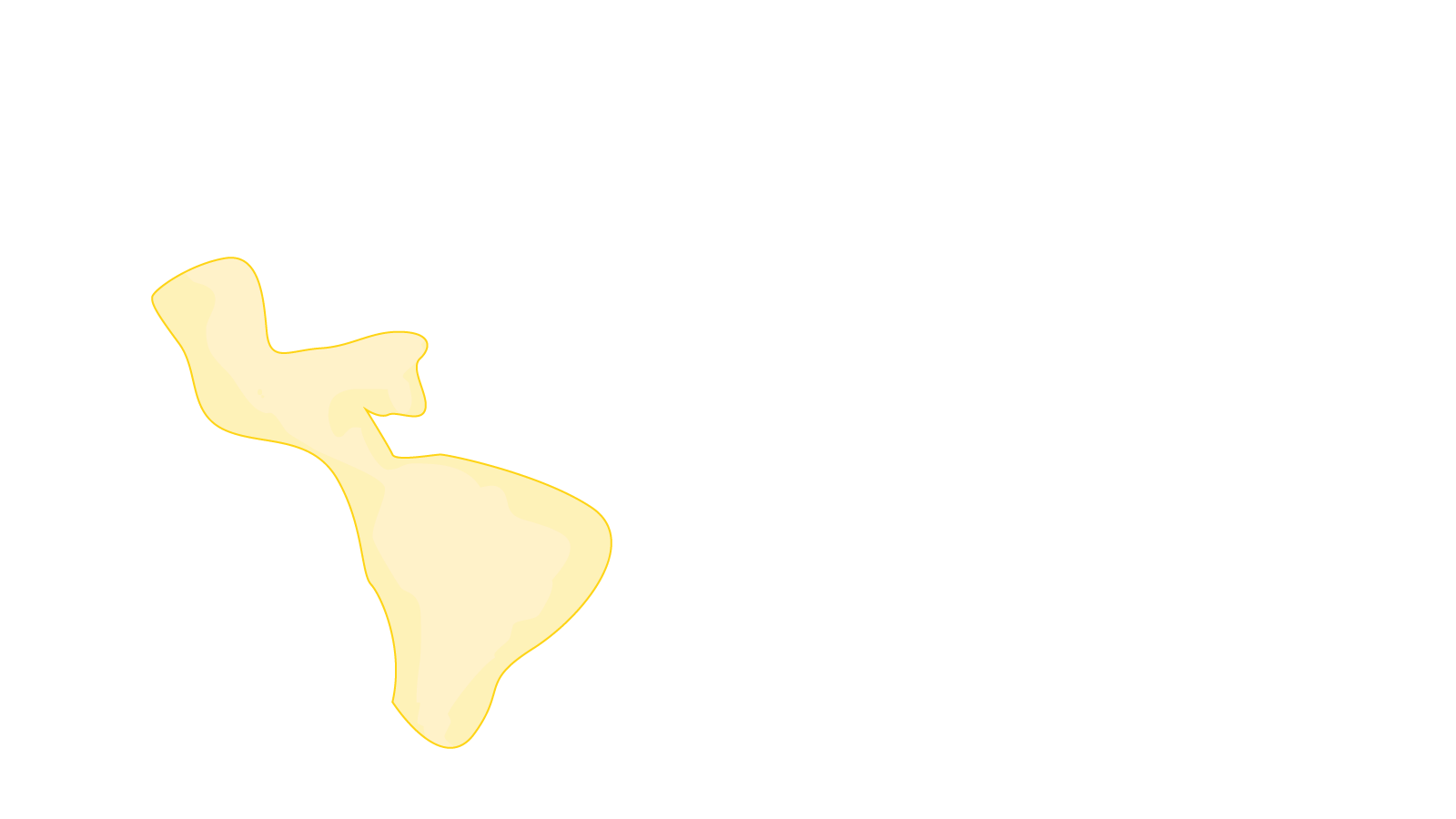
The scarlet macaw (Ara macao) is one of the most emblematic parrots of the tropical forests of Central and South America. It is found from Mexico to the Amazon basin, in humid forests, wooded areas and areas near waterways. The species is now classified as Least Concern (LC) on the IUCN Red List, even though some local populations are in decline.
Impossible to miss its plumage. Bright red on most of the body, enhanced by yellow and blue on the wings, l'Ara Macaw is immediately recognizable in flight. Its long tail and impressive wingspan allow it to travel great distances above the canopy.
The Scarlet macaw is a diurnal and arboreal bird. It lives mainly in trees, where it feeds, rests and communicates with its congeners. Very vocal, he uses a wide range of sounds to stay in touch with the group. Its social behavior is similar to that of other large macaws present at the Zoo, such as the Macaw Hyacinth Or the Red-and-green Macaw, each with its own codes.
Its diet is varied. It consumes fruits, seeds, nuts, and sometimes young shoots. Its powerful beak allows it to open resistant shells, an essential adaptation in its natural environment. By feeding, the scarlet macaw participates in seed dispersal, thus contributing to the dynamics of tropical forests.
At the Guadeloupe Zoo, the scarlet macaw makes it possible to approach the diversity of neotropical parrots and their ecological role, alongside other emblematic species of the canopy.




.svg)


Quelques anecdotes

A plumage that says a lot
The bright colors of the scarlet macaw aren't just about impressing. They also play a role in communication between individuals. Color contrasts facilitate recognition at a distance, especially when traveling in groups in the dense canopy.

A clay lover
In the wild, the scarlet macaw is often seen on clay cliffs, called collpas. There, it consumes small amounts of soil, a behavior shared with other macaws in South America. This habit would neutralize certain toxins present in your diet and provide essential minerals.
.svg)
