.png)
.png)

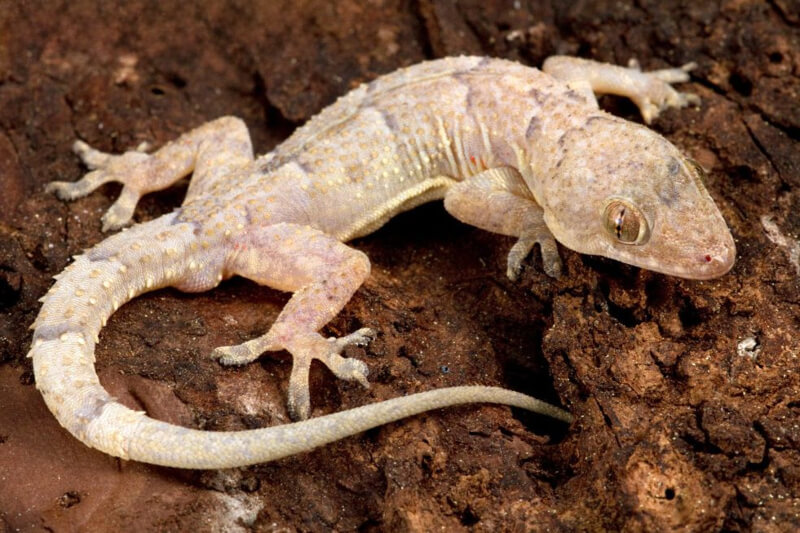
Tropical house gecko
Hemidactylus mabouia


The Tropical house gecko, the nocturnal gecko of the Antilles
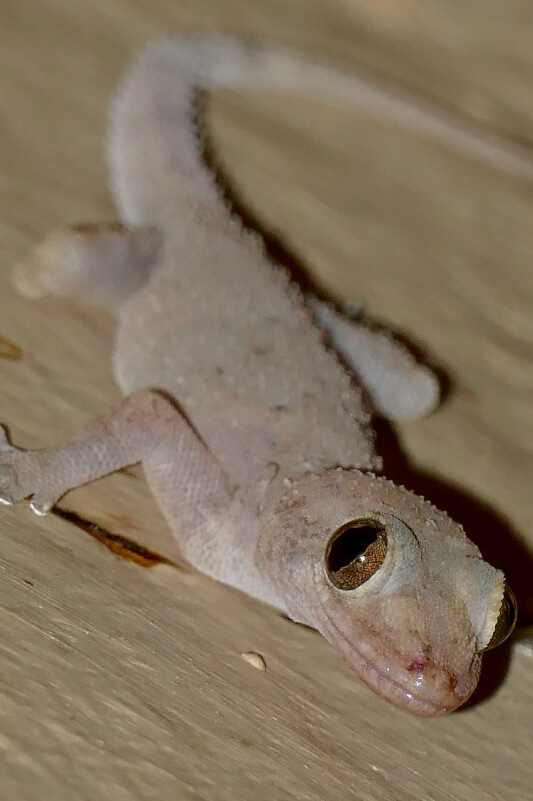
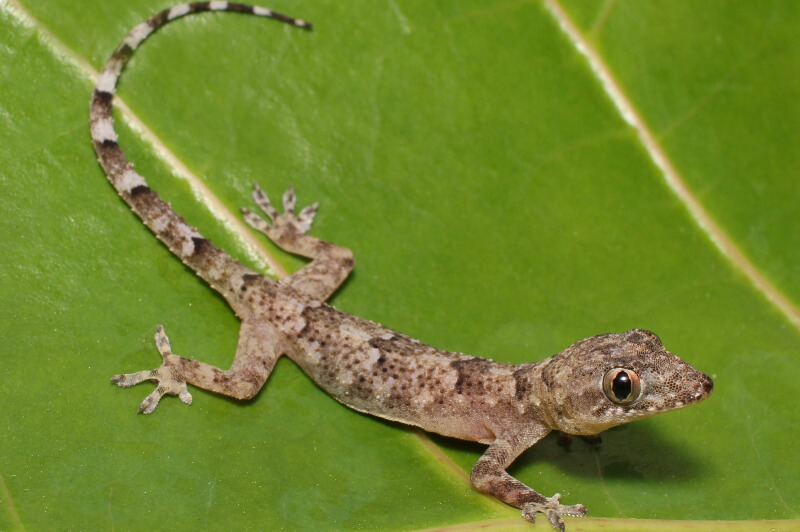
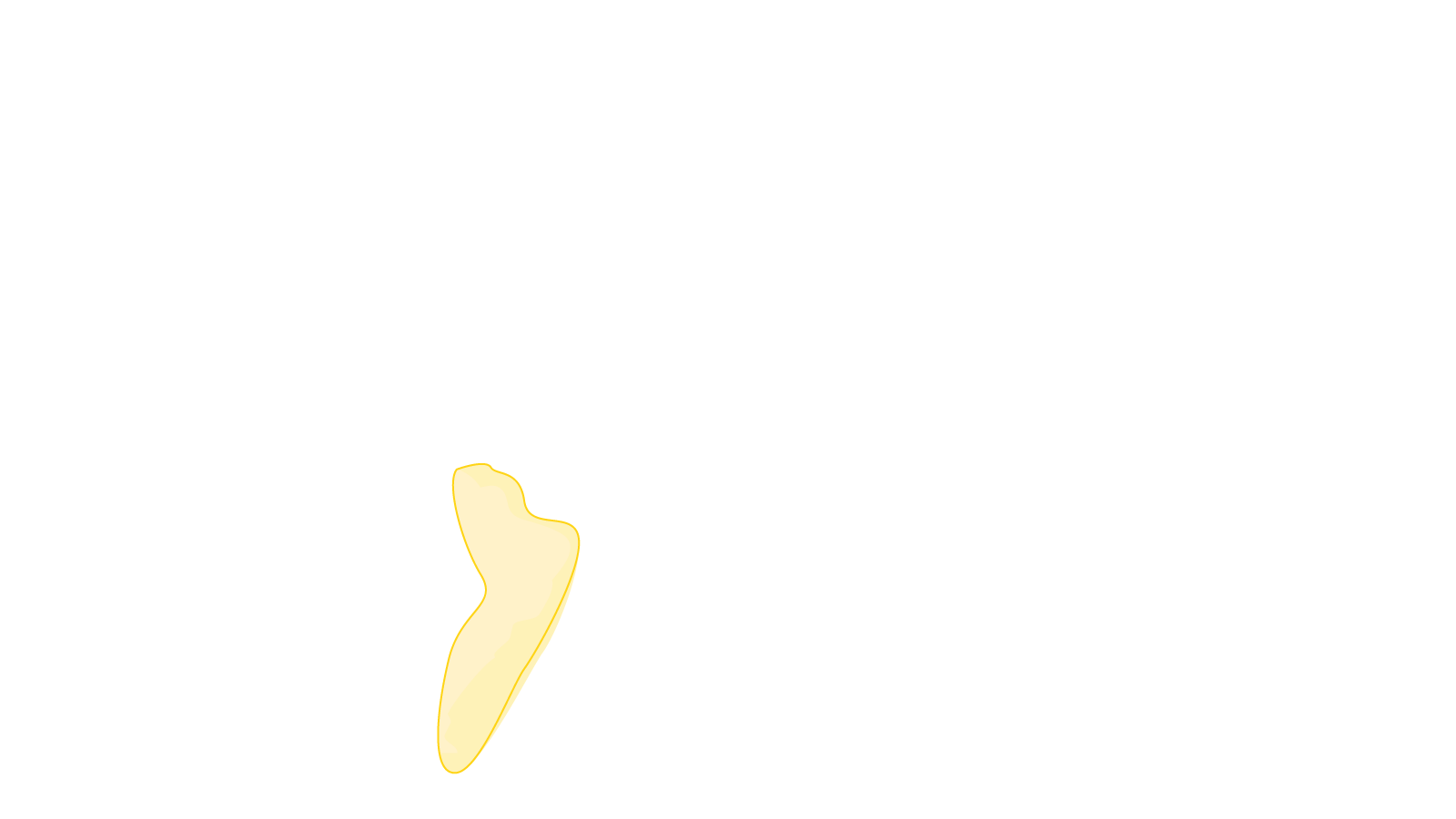
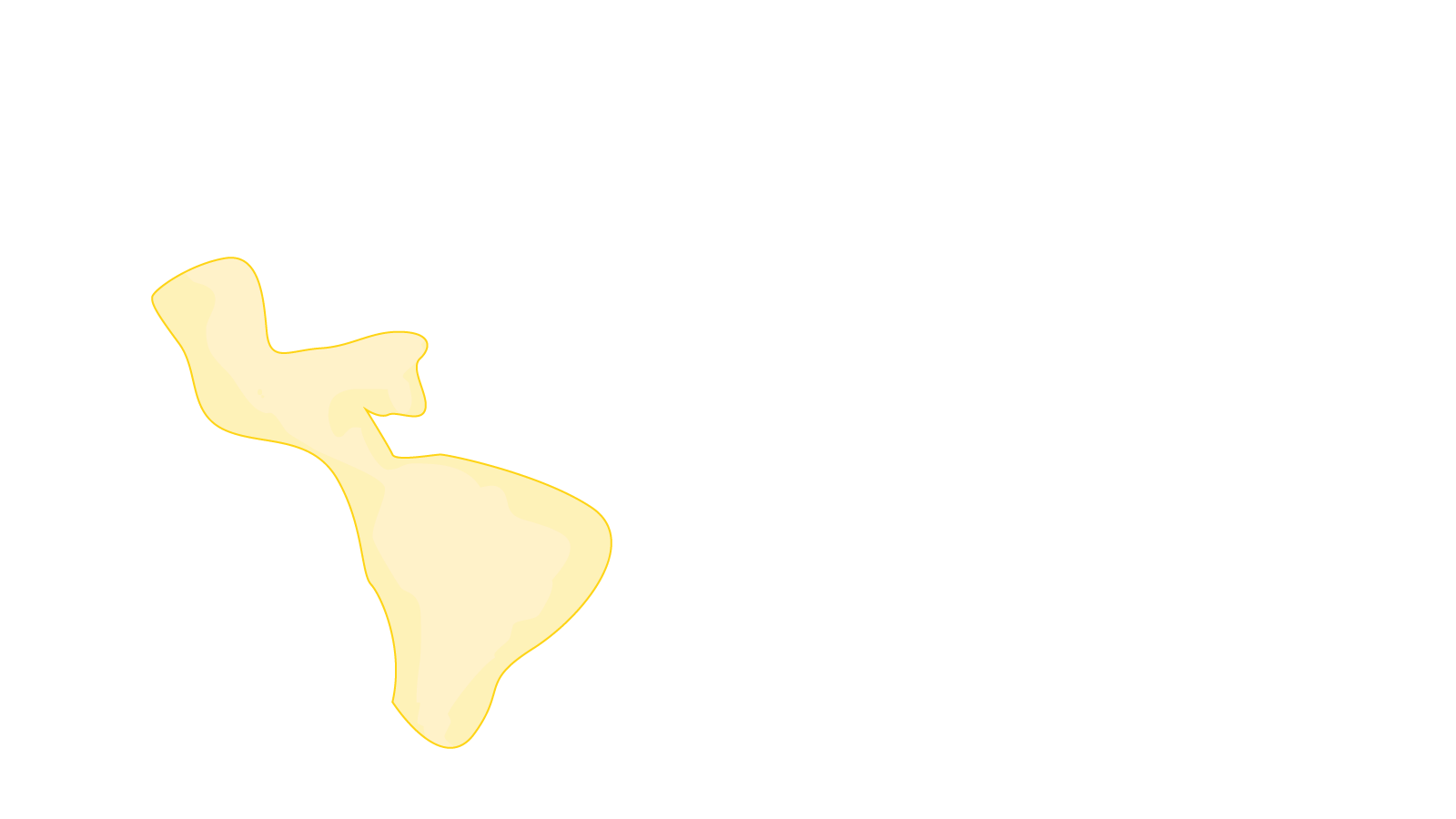
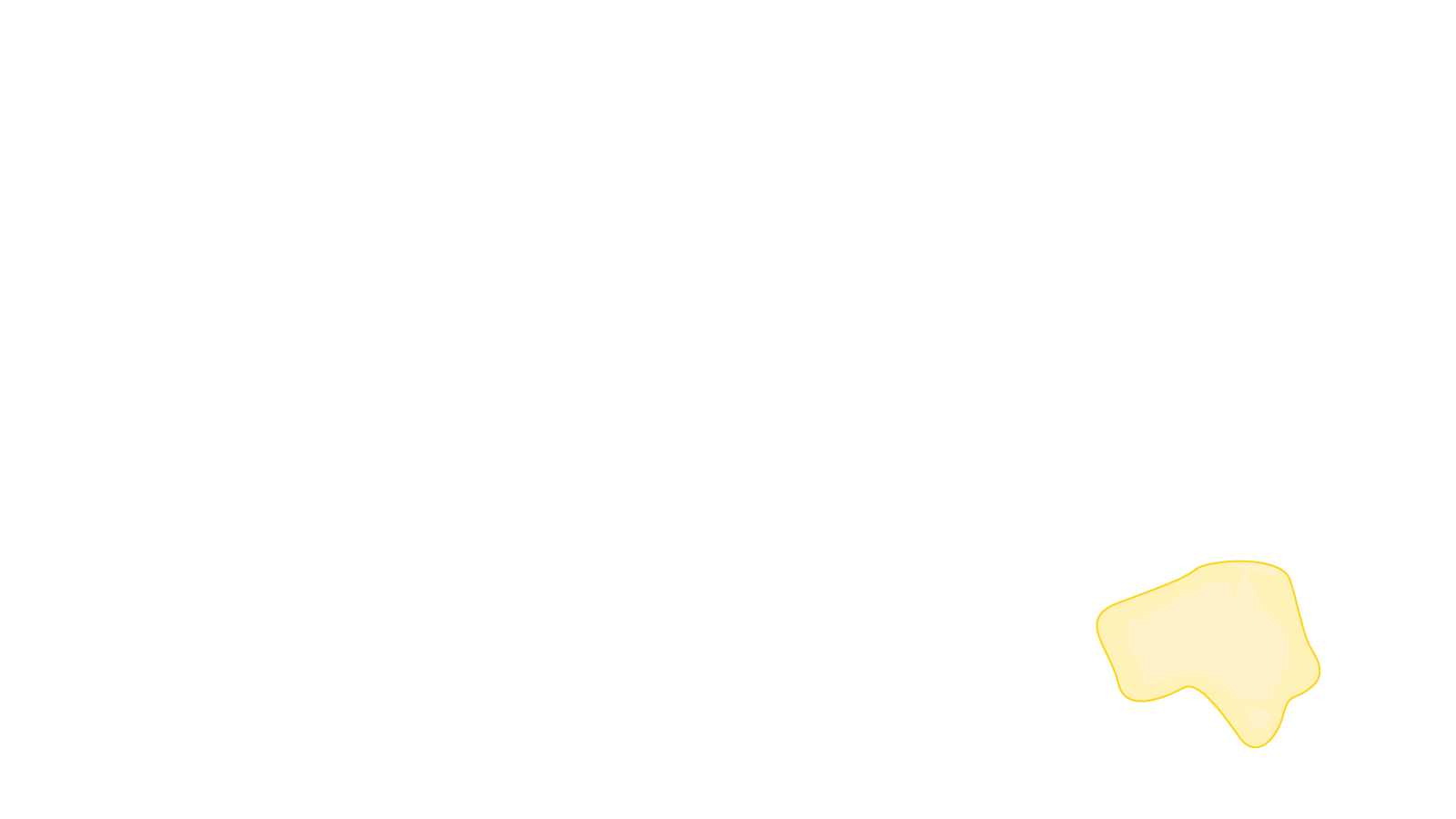
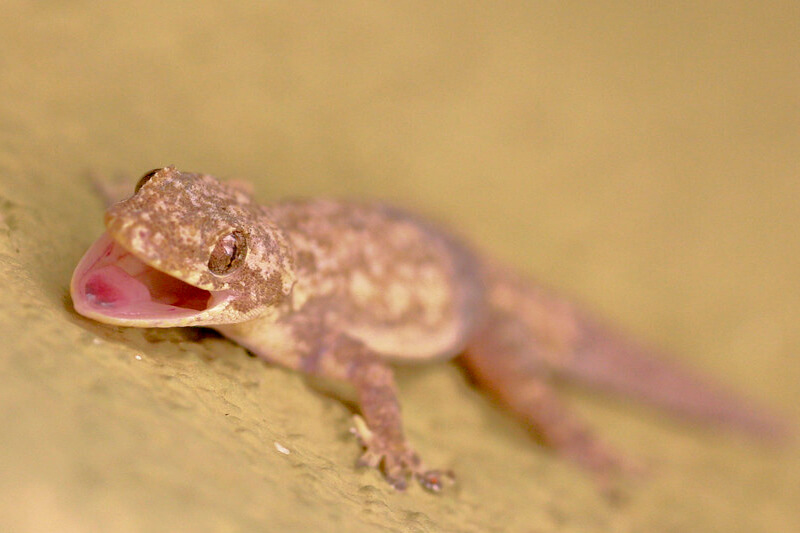
The Tropical house gecko (Hemidactylus mabouia) is a nocturnal gecko that is very common in Guadeloupe and throughout the Caribbean. It is found in homes, on trunks, in gardens and near lighting where it hunts insects attracted by light. Its beige, greyish or slightly speckled skin allows it to easily disguise itself, whether on a clear wall or a damp trunk.
Classified as Least Concern (LC) by the IUCN, the Tropical house gecko remains stable throughout its distribution. It is a very adaptable reptile: it lives in tropical forests as well as in urban environments. It plays an important role in naturally regulating insects, especially mosquitoes.
This gecko measures between 12 and 15 cm. His fingers wear highly effective adhesive strips, which allow him to climb smooth walls, glass, or even ceilings effortlessly. The Tropical house gecko is insectivorous. At night, it uses its good night vision to catch flies, butterflies, winged ants, or other small invertebrates. During the day, it rests in cavities, under leaves, or in cracks in trunks.
At the Guadeloupe Zoo, you can observe this gecko in the insectarium with local amphibians.



.svg)


Quelques anecdotes
Skin that cleans itself
Tropical house gecko skin has a micro-structured surface that prevents bacteria and dust from adhering. This phenomenon, studied in biomimicry, allows the Tropical house gecko to have permanently clean skin, even when living in humid areas. This unique texture also prevents the proliferation of microorganisms.
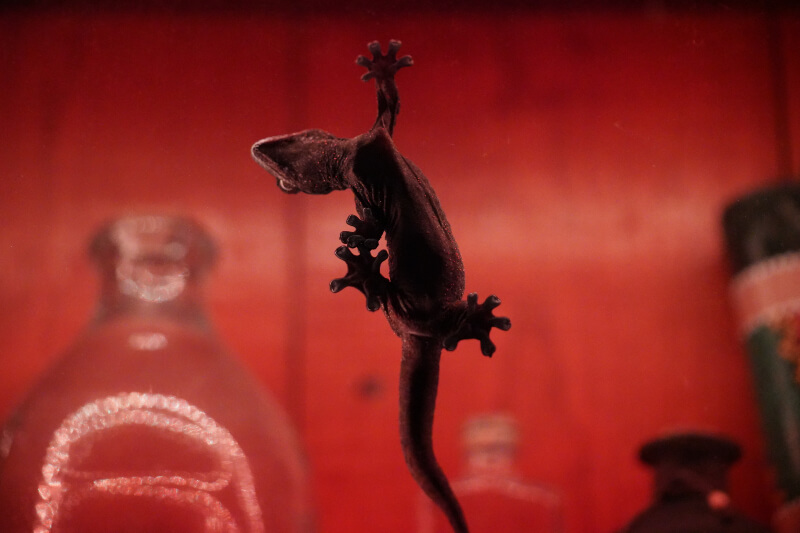
Impressive grip
His fingers are covered with thousands of micro hairs (setae). They allow it to adhere to surfaces using microscopic forces called Van der Waals forces. This natural system is so effective that it inspired the creation of ultra-adherent gloves and materials in modern engineering.
.svg)
